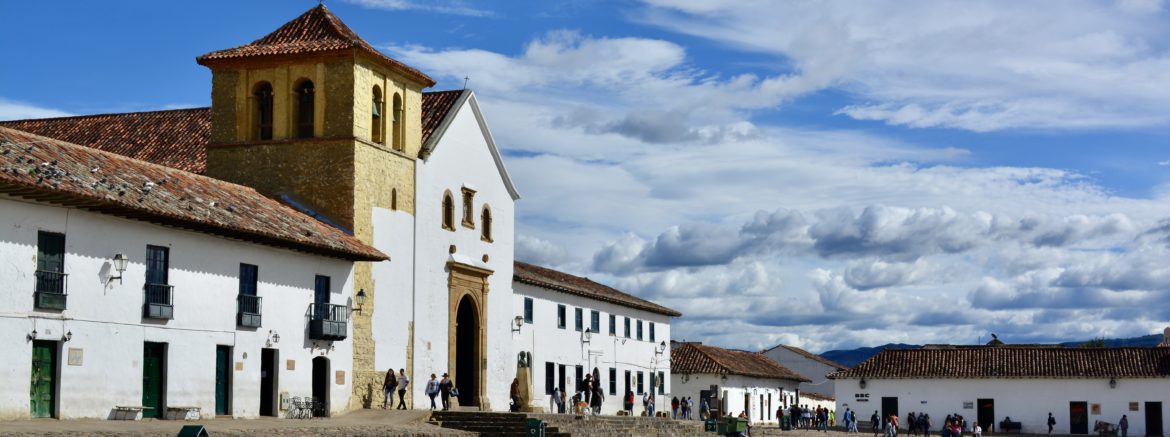
Latin America’s colonial cities are living time capsules: places where Spanish, Portuguese, and Indigenous histories have collided, overlapped, and reshaped one another over centuries. Some are major tourist centres; others, tucked in hills or along rivers, remain far less visited. What unites them is a distinct architectural and cultural legacy that continues to define the character of entire regions.
Unlike the artificial uniformity of modern planning, these cities grew around power, faith, and control often imposed over earlier indigenous settlements. The central Plaza Mayor was a deliberate symbol of imperial dominance: a showcase where political authority (cabildos or town halls), religious power (cathedrals and churches), and military might (barracks or governor’s residences) all converged. In Peru and Bolivia in particular, these plazas were frequently built atop sacred Inca or pre-Columbian sites, fusing visible colonial structures with older spiritual geographies.
Many major Latin American metropolises, such as Bogotá, Quito, Mexico City, Rio de Janeiro, and Lima, still retain colonial cores that reveal their origins before sprawling into modern mega-cities. These historic hearts often include a cathedral square, narrow grid-planned streets, and preserved government buildings. Statues, often of generals on horseback or national independence leaders, mark key plazas and lend an ongoing sense of public spectacle and power.
Religious orders played a formative role. Across Latin America, one finds the legacies of the Franciscans, Dominicans, Carmelites, Jesuits, and others. Their presence is felt in the naming of churches, San Blas, La Merced, San Francisco, Nuestra Señora del Carmen, as well as in monasteries, convents, and the educational institutions they founded. These were more than churches: they were engines of assimilation, learning, and influence.
Churches dominate many skylines, and their names often reflect both universal Catholic saints and local devotions. The visual landscape is further marked by the prevalence of churches from different orders, a Franciscan church here, a Dominican convent there, often clustered near the central plaza. A simple walk-through town can reveal layers of religious rivalry, devotion, and architectural styles.
🛎 Bells and Towers
The bell tower was the loudest symbol of colonial authority. Whether Jesuit, Franciscan, or Dominican, religious orders competed for prominence. Today, their towers often remain the tallest point in town, architectural echoes of empire.
Walls are another defining feature. Cities like Cartagena, Campeche and Casco Viejo in Panama, the Spanish built imposing fortifications to resist pirate attacks and project Spanish control over the seas. The Portuguese built similar fortifications in cities like Macapá, where Fortaleza de São José is a striking example, and Belém the gateway to the Amazon too. These fortifications reflect a time when empire was fragile, trade was contested, and colonial life lived behind stone ramparts. Elsewhere, the boundaries were more symbolic, marked by grids, gated entries, or religious processions.
The visual charm of these cities lies in their palette. In many areas, colours served a practical purpose, used to distinguish homes or sectors before formal street numbering became common. This gives rise to the rich blues, ochres, and terracottas of places like Cartagena, Campeche, or San Cristóbal de las Casas. In Brazil, azulejos, Portuguese ceramic tiles, lend an ornate and textural quality to façades in cities like Salvador and Olinda, blending art and architecture in everyday life.
These cities don’t just preserve buildings, they preserve ways of life. Some pulse with street music, markets, and festivals; others invite a slower appreciation of cloisters, courtyards, and quiet traditions. Together, they are an essential thread in understanding Latin America’s past and its present.


Cartagena, São Luís, San Cristóbal de las Casas, Mompos, Arequipa
🧭 Grid Meets Geography
Spanish cities were typically laid out in strict grids (the Laws of the Indies), radiating from a central plaza. But mountains, rivers, and local resistance often bent these ideals. Cities like Cusco (Peru), Guanajuato (Mexico) and Ouro Preto (Brazil) evolved into labyrinths because of geography or history despite official plans.
- Colombia and Ecuador: Layers of Power, Resistance, and Revival
- The Andean Core: Conquest on Sacred Ground
- The Southern Cone: Independence, Isolation, and Urban Simplicity
- Brazil: Gold, Sugar, and the Portuguese Baroque
- Mexico & Central America: Power, Colour, and Resilience
- Featured Cities: Icons of the Spanish and Portuguese Empires
- Smaller Colonial Cities: Character and Charm Beyond the Guidebooks
- Larger Colonial Cities: Underrated Classics in Plain Sight
- Reflections from the Road
- Interactive Map
Colombia 🇨🇴 and Ecuador 🇪🇨: Layers of Power, Resistance, and Revival
Colombia stands out as one of the richest countries in terms of colonial urban heritage, offering a spectrum from coastal fortresses to Andean white towns. Many of these cities reflect not only Spanish architectural imposition but also the layers of political experimentation, trade, and resistance that followed. What sets Colombia apart is the extraordinary diversity of its colonial cities, no two feel quite alike.
From the heavily fortified walls of Cartagena, built to ward off pirates and rival empires, to the inland serenity of Villa de Leyva or Popayán, Colombia’s cities often grew as instruments of regional control and cultural assimilation. Mompós sits preserved on a meander of the Magdalena River, once a vital artery of commerce and political influence. Barichara and Jardín de Antioquia preserve a more rural, organic rhythm, deeply linked to coffee cultivation and religious festivals. These towns didn’t just function as colonial outposts; many played decisive roles in the wars of independence and the evolution of Colombian national identity.
A distinct theme in Colombia is its educational and religious intensity. Cities like Popayán and Tunja became early centres of learning and theological debate, producing generations of legal scholars, clergy, and independence leaders. The dominance of whitewashed façades in cities like Popayán symbolised both purity and control, while frequent earthquakes and conflict left literal and symbolic scars that today shape urban memory.
In Ecuador, many of the same dynamics played out in cities like Quito and Cuenca, both of which were once part of the same political entity as Colombia under Gran Colombia in the early 19th century. Cuenca, now often overlooked, is architecturally elegant and intellectually vibrant, with strong artistic and liberal traditions. While Quito, grand and monumental, is better known, Cuenca’s colonial grid and slower pace make it feel more accessible. Both cities reflect the broader Andean pattern of building cathedrals over indigenous sacred sites, and both preserve rich liturgical traditions (Quito’s Holy Week remains one of the most evocative in the Andes).
Colombia and Ecuador also offer insights into the long-term neglect and rediscovery of many colonial sites. Years of conflict and underdevelopment paradoxically preserved architectural heritage by limiting over-modernisation. The revival of places like Mompós and the reimagining of Bogotá’s Candelaria quarter reflect a growing pride in these layered urban pasts.


Mompos, Jardín de Antioquia, Popayán, Cartagena, Barichara, Cuenca
Encanto – A Magical Boost for Colombia’s Pueblos
The global success of Disney’s Encanto (2021) introduced the world to a Colombia of cobbled streets, flower-filled balconies, and strong Andean family ties. While the town in the film is fictional, it draws heavily on real-life places like Barichara, Salento, Jardín, and Guatapé, blending visual cues from across the Coffee Region and Santander into a joyful homage to Colombia’s interior.
Post-COVID, these towns have become even more popular with Colombia’s growing middle class, particularly for weekend escapes from Bogotá or Medellín. The Encanto effect may be subtle, but it has helped reframe the global image of Colombia, away from past conflict and toward a vibrant, culturally rich everyday life.
The Andean Core 🇵🇪 🇧🇴: Conquest on Sacred Ground
In no region is the colonial encounter more visible, or more uneasy, than in the Andean highlands of Peru and Bolivia. Here, the Spanish conquest wasn’t a remote expansion of empire but a direct superimposition of foreign power on the heartlands of the Inca civilisation. The colonial cities of this region were designed not only to administer but to dominate, built deliberately atop indigenous ceremonial centres as acts of both symbolism and control.
Cusco is the clearest and most famous expression of this. Once the capital of the Inca Empire, it was reconfigured by the Spanish into a model colonial city, with a cathedral standing on the ruins of Sacsayhuamán and Qorikancha (the Inca Temple of the Sun) becoming the foundation for the Santo Domingo convent. The result is a city of literal and cultural layering, where finely cut Inca stones support Spanish baroque churches, and where Quechua language, markets, and rituals remain vivid today.
Arequipa, in contrast, developed as a highland bastion of Spanish power, built with sillar, a white volcanic stone, giving the city its luminous appearance. Its convents and cloisters, especially Santa Catalina, are not just religious spaces but mini cities reflecting wealth, piety, and seclusion. While Cusco wrestled with its Incan past, Arequipa came to define a creole identity rooted in independence and intellectual life.
🏛 Colonnades and Café Life
Many colonial plazas feature shaded arcades or portales — architectural holdovers from Spain that now host coffee shops, markets, and family gatherings. In towns like Arequipa, Antigua or San Cristóbal, they remain lively, all-weather meeting points.
Then there is Potosí, once the richest city on Earth, perched at 4,000 metres on the slopes of Cerro Rico. The mountain’s silver was extracted in unimaginable quantities, financing the Spanish empire and fuelling global trade. Today, Potosí’s faded grandeur and brutal mining history make it a haunting stop. The Casa de la Moneda (colonial mint) still stands as a monument to both wealth and exploitation. The ongoing debates over shipwrecks filled with Potosí silver, and who owns the historical debt, only sharpen the city’s global resonance.
Bolivia’s colonial cities like Sucre (the constitutional capital) and La Paz reflect a more administrative face of empire. Sucre is elegant and aristocratic, its white buildings recalling the style of Popayán, while La Paz, though more modern, retains a strong colonial grid in its lower historic quarters. Markets, saints, and political memory dominate here. Bolivia also preserves the mestizo baroque style, where indigenous and European motifs blend in church carvings and facades.
The Andean core reflects Latin America’s clearest architectural palimpsest, cities that are both deeply sacred and deeply violated, resilient and syncretic, places where colonial architecture cannot be separated from the cultures it sought to erase and ultimately failed to.


Cusco, Santa Catalina, Arequipa, Plaza de Armas de Arequipa, Cusco Catedral, Potosí
🕍 Baroque and Beyond
From the stone façades of Potosí to the gold-dripped altars of Oaxaca and Cuzco, Latin American colonial churches often combined Spanish Baroque with Indigenous artisanship. Look closely and you’ll often spot local flora, fauna, or faces carved into sacred spaces.
The Southern Cone 🇦🇷🇨🇱🇺🇾: Independence, Isolation, and Urban Simplicity
The Southern Cone, comprising Argentina, Chile, and Uruguay, tells a different story of colonial legacy. Here, Spanish colonisation arrived later and developed more gradually. The result is a set of cities that often feel less baroque, less ornate, but more intimately tied to their nation-building stories. In this region, independence, immigration, and identity are more visible than the grand opulence seen elsewhere in Latin America.
In Argentina, colonial architecture is often understated, found not in monumental centres but in towns like Salta and San Miguel de Tucumán. Salta, with its elegant cathedral and pastel-coloured churches, preserves a serene colonial charm framed by mountains. Tucumán, while less dramatic, holds symbolic importance as the cradle of Argentine independence, where the 1816 declaration was signed, and today retains a low-rise, local feel. Córdoba, meanwhile, was a Jesuit stronghold, and its university and churches reflect the educational and religious missions of the era. Jesuit estancias around Córdoba are now UNESCO-listed, revealing a more rural, mission-based form of colonial expansion.
In Chile, colonial architecture suffered greatly from natural disasters. Repeated earthquakes reshaped cities, often erasing much of their earliest built history. Yet in cities like Valparaíso, a sense of 19th-century layering remains, with hillside homes, winding staircases, and public elevators adding charm to a city where maritime trade and European immigration redefined the colonial grid. Santiago, the capital, retains some older buildings, but its colonial core is more of a fragment than a dominant feature.
Uruguay offers perhaps the most distinctive colonial experience of the region in Colonia del Sacramento, which, unusually, was founded by the Portuguese. Its irregular street plan, a contrast to the Spanish grid, and its modest houses, low walls, and cobbled lanes give it a gentler, more meditative charm. Unlike Buenos Aires, across the Río de la Plata, Colonia feels like a preserved outpost, a slower space shaped by river life and the back-and-forth of empire.
The Southern Cone is where colonial modesty meets republican memory. These are cities where independence wasn’t just political but architectural, reflecting a turn away from ecclesiastical dominance and towards civil identity. The result is a region where the colonial legacy is visible, but less assertive, woven gently into the rhythm of plazas, local traditions, and a strong sense of regional pride.


Colonia del Sacramento, Cablido de Salta, Córdoba, Valparaíso, Salta Catedral
Brazil 🇧🇷: Gold, Sugar, and the Portuguese Baroque
Brazil’s colonial cities stand apart from their Spanish-speaking neighbours. Settled by the Portuguese and shaped by different imperial priorities, Brazil’s towns and cities reflect a legacy defined by mining, sugar plantations, and the transatlantic slave trade, all wrapped in a distinctive architectural style that feels at once European and tropical.
In the interior, the colonial cities of Minas Gerais were forged in the crucible of the gold and diamond rushes of the 17th and 18th centuries. Places like Ouro Preto, Diamantina, and São João del-Rei grew rapidly, attracting wealth, artisans, clergy, and enslaved labourers. Their churches, often funded by local gold barons, are famously ornate. Aleijadinho, the one-armed sculptor and architect, left a lasting legacy in the carved facades and altarpieces of Ouro Preto and Congonhas, blending European Baroque with indigenous and African influences. Yet these same cities also tell the story of exploitation: of forced labour, environmental extraction, and social inequality that persists to this day.
Along the coast, Brazil’s early colonial power lay in sugar. Cities like Salvador de Bahia, Olinda, and São Luís became key ports in the triangle of trade between Europe, Africa, and the Americas. Salvador, Brazil’s first capital, was the administrative and spiritual heart of the Portuguese empire in South America. Its colourful Pelourinho district, with cobbled lanes and churches like São Francisco, is both beautiful and historically loaded, once the site of slave markets and public punishments. Today it hums with Afro-Brazilian culture, music, and resistance.
Portuguese aesthetics distinguish Brazil’s colonial cities visually. The use of azulejos, ceramic tiles with blue-and-white designs, is widespread, especially in São Luís and Olinda, where entire buildings gleam with patterned façades. Colours were also used in lieu of street numbers, creating a rich visual mosaic that still defines neighbourhoods today. Compared to Spanish colonies, Brazil’s colonial towns often favour curved lines, softer layouts, and an almost theatrical use of light and colour.
Some cities, like Paraty, owe their preservation to economic neglect: once a key gold-exporting port, it was bypassed by new trade routes and forgotten, which spared it from modern overdevelopment. Others, like Diamantina, remain small, local, and full of atmosphere, largely untouched by mass tourism.
Brazil’s colonial cities are where power, faith, and culture meet landscape. They are towns of contrast: immense beauty and unbearable histories, faded grandeur and living tradition, and offer some of the most immersive urban experiences in Latin America.
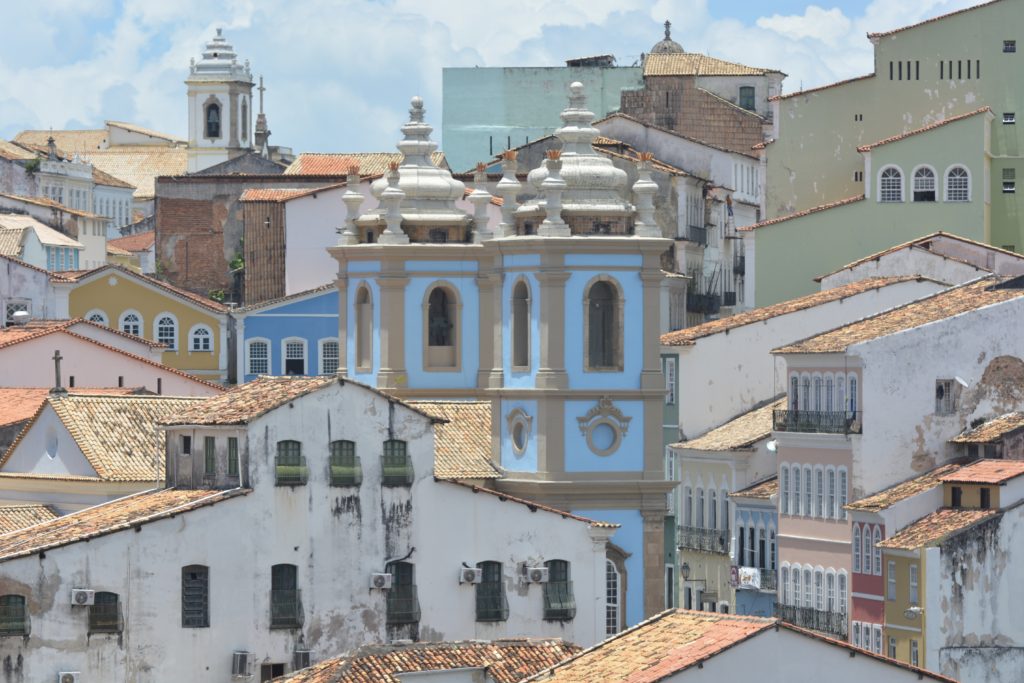


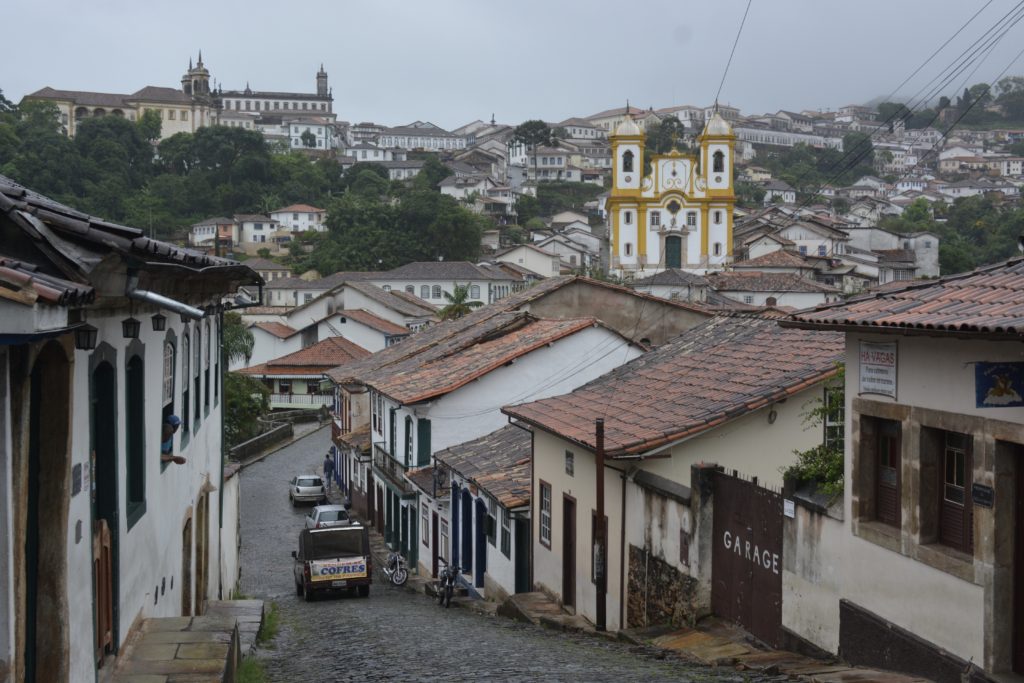

Salvador de Bahia, São Luís, Diamantina, Ouro Preto, Paraty
🎨 Azulejos
Glazed ceramic tiles, or azulejos, brought Iberian flair to colonial façades and often arrived as ballast on ships sailing from Portugal or Spain. Beyond their decorative charm, they helped cool interiors and resist tropical humidity, with striking examples still found in places like Olinda, Salvador, and parts of Mexico and Colombia.
Mexico 🇲🇽 & Central America 🇸🇻🇬🇹🇳🇮: Power, Colour, and Resilience
In Mexico and Central America, colonial cities tell a story of imperial ambition, religious fervour, urban geometry, and indigenous endurance. The Plaza Mayor concept was rigidly applied here: wide central squares flanked by a cathedral, government buildings, and arcades for merchants, all intended to display the dominance of Spain’s imperial project.
But these cities are far from uniform. In Mexico, regional identity and pre-Hispanic foundations often shaped how the colonial city grew. Cities like Mexico City and Quito (historically linked through the Viceroyalty of New Spain) were built directly atop major indigenous capitals, Tenochtitlan and Quitu-Cara respectively, while others, like San Cristóbal de las Casas and Oaxaca, developed in mountain valleys with strong local cultures. The result is a hybrid aesthetic, where ornate baroque churches share space with Zapotec markets, Mayan influences, or vibrant food traditions.
Colour plays a starring role. In towns like San Cristóbal, Campeche, or Mérida, pastel façades distinguish homes and sectors, a practical system before formal addresses, and create an inviting visual warmth. In Campeche, fortified city walls and bastions still encircle the old town, a reminder of pirate raids and Atlantic rivalries. San Cristóbal and Oaxaca reveal colonial structures overlaid with ongoing indigenous traditions and struggle, cities where fiestas, protests, and processions remain central to civic life.
🌺 Plaza Plants: More Than Decoration
Colonial plazas were planted with purpose. Poinsettias (native to Mexico), peace lilies, and ceibas (sacred to the Maya) frequently appear. Their placement reflected both aesthetics and spiritual significance.
In Central America, the best-preserved cities, such as Antigua Guatemala, Granada, and León, mirror the highland baroque of Mexico but with their own character. Antigua, once the capital of the entire Spanish Central American empire, was repeatedly wrecked by earthquakes. Its reconstructed ruins now feel both romantic and resilient, set against a backdrop of volcanoes. Granada, on the shores of Lake Nicaragua, projects easy-going charm, while Leónpulses with radical history, birthplace of revolutions and intellectual movements, even as its churches stand dignified.
These cities also tell the story of change. San Salvador, long considered dangerous, is undergoing a dramatic (and contested) security transformation. In tiny Suchitoto, cobbled lanes and quiet plazas host arts festivals and peace-building projects. Visitors today encounter a region trying to balance memory with modernity, where colonial legacies are not just tourist backdrops, but live beneath the surface.
For many travellers, Mexico and Central America are the most accessible Latin American destinations. Cities like Antigua, San Cristóbal, Campeche, and Granada offer striking architecture, excellent tourism infrastructure, and deep cultural layers, while smaller places like Suchitoto or Orizaba remain off the radar, full of untapped character and hospitality.


Arco de Santa Catalina, Antigua; Antigua Catedral, Granada, Léon, Campeche, Puebla, San Cristóbal de las Casas
🟩 The Green Cross
Visible across towns in the Yucatán, the Cruz Verde blends Catholic and Mayan symbolism. Traditionally placed in central plazas or near churches, it symbolises protection and syncretism — a spiritual bridge between worlds.
🌟 Featured Colonial Cities: Icons of the Spanish and Portuguese Empires
These are the standout stars, cities whose architecture, cultural depth, or preservation status make them essential stops on any Latin American journey. Some, like Cartagena or Cusco, are widely celebrated. Others, including some of my personal favourites like Mompós or Diamantina, are equally rich but far less trafficked. What unites them is historical significance, visual drama, and a sense of place that’s deeply rooted in the colonial past, whether through cathedrals and convents, cobbled lanes and colour-washed houses, or the layered mix of Indigenous, African, and European traditions.
Cartagena, Colombia 🇨🇴
Cartagena is where many travellers begin their Latin American journey, and where one family story began, with the arrival of my grandmother from Europe in the early 20th century. The city’s colonial walled centre is a dazzling array of colour, balconies, and coral-stone architecture that hums with life and music. Late afternoon light turns the city golden, and the rhythm of street vendors and dancers fills the plazas. But beyond the photogenic façades lie centuries of conflict, trade, and resistance. The military fortifications, such as Castillo San Felipe, reflect its strategic importance, and its ability to resist piracy and imperial rivals.
Cartagena is both polished and raw, a magnet for tourists but still deeply Colombian in its contradictions. Its location on the Caribbean, its cultural vibrancy, and its architecture make it one of the most compelling colonial destinations in the Americas.
Mompós, Colombia 🇨🇴
Mompós is not on the way to anywhere, which is part of its magic. Set on the banks of the Magdalena River, it’s a town lost in time, famously evoked by Gabriel García Márquez. Its isolation preserved its architecture, and today it feels like stepping into a parallel world of ironwork balconies, churches, and still water.
Life here moves slowly. That’s the point. Visitors come not for grand sights, but for quiet magic, the sense that history never quite left.
Cuenca, Ecuador 🇪🇨
Though now a major Ecuadorian city, Cuenca’s historical links to Gran Colombia give it a shared cultural lineage with southern Colombia. Its colonial core, cobbled streets, churches, arcades, is among the most intact in the Andes. With its mild climate and highland setting, Cuenca has also emerged as a haven for artists, retirees, and slow travellers seeking something authentic but liveable.
The city manages to feel both local and international, a place of poetry, independence movements, and artisan hat-making (the misnamed Panama hat is from here).
Cusco, Peru 🇵🇪
Cusco is the archetypal fusion city, where Inca walls support Spanish churches, and history sits layer upon layer. Once the capital of the Inca Empire, it became the spiritual centre of colonial evangelisation in the Andes. The Plaza de Armas is dominated by the Cathedral and La Compañía de Jesús, while surrounding streets hide cloisters, museums, and Andean markets.
For many visitors, Cusco is a base for reaching Machu Picchu, but to rush through is to miss the deeper story. The city breathes with ceremony, religious syncretism, and a highland rhythm that blends Quechua and Catholic traditions.
Arequipa, Peru 🇵🇪
Built from sillar, a white volcanic stone, Arequipa shines in the high desert sun. It’s a city of both subtlety and splendour, with monastic calm in the cloisters of Santa Catalina and political vitality in its role during Peru’s independence movement. Framed by volcanoes, Arequipa’s historic centre is among the best-preserved in the Americas.
Wander the narrow alleys and you’ll find baroque facades, leafy courtyards, and artisanal ice cream stalls. Arequipa invites you to linger.
Potosí, Bolivia 🇧🇴
Potosí was once one of the richest cities in the world, fuelling the Spanish Empire with silver from the Cerro Rico Mountain. The city’s colonial architecture, especially the Casa de la Moneda (mint), speaks to its imperial grandeur, while the working conditions of indigenous and African miners became emblematic of colonial brutality.
Today, Potosí is a shadow of its past economic glory, but all the more powerful for it. Recent discoveries of sunken treasure ships with Potosí silver have reignited debates about ownership, memory, and empire.
🗽 Statues and Symbols
From Bolívar astride his horse to Indigenous heroes and modernist forms, statues in central plazas tell evolving political stories. While many honour colonial elites, others have been reinterpreted or replaced, as local identities shift.
Colonia del Sacramento, Uruguay 🇺🇾
Colonia is unique in Latin America, a colonial city with Portuguese origins in a region dominated by Spanish legacy. Just across the water from Buenos Aires, it offers cobbled lanes, modest churches, and riverside sunsets. Its charm lies in its scale and setting: perfect for wandering, mate in hand, past vintage cars and faded doors.
The contrasts in building technique and street layout give Colonia a distinct identity, making it a small but memorable highlight of the southern cone.
Paraty, Brazil 🇧🇷
Paraty is a colonial jewel on Brazil’s Costa Verde, where lush forest meets calm sea. Its cobbled streets are closed to cars, giving the old town a timeless, cinematic feel. Once a gold export port, it was largely forgotten after the trade routes shifted, a historical accident that ensured its preservation.
Today, Paraty is as much about ambiance as architecture. The tidal flooding of its streets, whitewashed buildings, and vibrant festivals lend it a rhythm distinct from the cities inland. It’s a place to wander, pause, and breathe.
Diamantina, Brazil 🇧🇷
Diamantina feels like a discovery. Tucked in the hills of Minas Gerais, it’s less visited than Ouro Preto but equally rich in heritage. The town rose on the diamond trade, and its legacy is visible in the stone mansions, ornate churches, and rhythmic colonial music that echoes from open doors.
Its topography, streets rolling over hills, adds to its mystery and charm. Local life feels unhurried, deeply connected to tradition, and pleasantly devoid of mass tourism. For those seeking an authentic colonial Brazilian experience, Diamantina is a hidden gem.
Antigua, Guatemala 🇬🇹
Antigua is a city of dramatic resilience, shaken repeatedly by earthquakes yet steadfast in spirit. Nestled among volcanoes, its pastel buildings, leafy plazas, and crumbling ruins evoke both tragedy and grace. As the former capital of Spanish Central America, it holds architectural weight and historical resonance.
What makes Antigua special today is the way it balances international sophistication, with boutique hotels and language schools, and deeply local traditions. Its Semana Santa processions are among the most striking in the hemisphere. Whether exploring its cobbled lanes or sipping coffee in a shaded courtyard, Antigua draws you into its layered charm.
Granada, Nicaragua 🇳🇮
Granada is warm in tone and temperament. Facing Lake Nicaragua, the city unfolds in a palette of ochres and yellows, anchored by its stately cathedral and breezy arcades. Founded in 1524, it is one of the oldest European cities on the American mainland and retains a sense of grandeur beneath its laid-back energy.
Calle La Calzada, the pedestrian promenade, leads from the main plaza to the lake, offering a blend of galleries, eateries, and glimpses into local life. The atmosphere is simultaneously elegant and easygoing, a rare mix.
San Cristóbal de las Casas, Mexico 🇲🇽
High in the Chiapas highlands, San Cristóbal blends indigenous heritage and colonial grid planning with dramatic effect. The streets are full of colour, visually and culturally, and the city pulses with activism, spirituality, and art. From Zapatista history to baroque churches, San Cristóbal rewards the curious.
Markets, murals, processions and poetry all co-exist here. For many travellers, it’s their favourite stop in Mexico, rich in experience, not just sights.
Campeche, Mexico 🇲🇽
A walled Caribbean city and a UNESCO World Heritage site, Campeche is both beautiful and under-visited. Its fortifications were designed to repel pirates, and its pastel-hued historic centre remains exceptionally well preserved. Walking through its grid of quiet streets, with glimpses of the sea beyond, feels almost surreal.
Campeche is a great reminder that Mexico’s colonial cities go well beyond the famous. It’s also an ideal base for exploring lesser-known Mayan sites like Edzná.
🎭 Festivals and Faith
Colonial cities became centres for vibrant processions, saints’ days, and syncretic rituals. The Catholic calendar often coincided with pre-Christian cycles, creating unique local hybrids like the Señor de los Milagros in Lima or the Guelaguetza in Oaxaca.
🏘️ Smaller Colonial Cities: Character and Charm Beyond the Guidebooks
These are the towns and villages where cobbled streets lead to quiet plazas, where heritage is lived rather than curated, and where colonial legacies blend seamlessly with regional culture. Some are remote, others beloved by locals, but nearly all remain off the radar for international travellers. This is where you’ll find preserved architecture, slow rhythms, and unexpected stories, from indigo revival in El Salvador to telenovela film sets in Colombia.
Barichara, Colombia 🇨🇴
Often dubbed Colombia’s most beautiful town, Barichara is a picture-perfect Andean village of ochre stone and red roofs. Its cinematic quality has made it a favourite for telenovelas, yet it retains a timeless calm.
Chachapoyas, Peru 🇵🇪
Capital of the cloud warriors, Chachapoyas offers misty streets, wooden balconies, and quiet pride. It’s the jumping-off point for Kuelap, Gocta Falls, and one of the most rewarding detours in northern Peru.
Jardín de Antioquia, Colombia 🇨🇴
A hidden gem in Colombia’s coffee region, Jardín charms with its colourful façades and lively main square. It’s less visited than Salento but just as photogenic, and more authentically local.
León, Nicaragua 🇳🇮
Revolutionary murals, Central America’s largest cathedral, and a dynamic student population give León a textured authenticity. Often overlooked in favour of Granada, it offers a grittier, more vibrant colonial experience.
Lençóis, Brazil 🇧🇷
Once a diamond-mining hub, Lençóis is now the pretty gateway to Chapada Diamantina National Park. Even without the hikes, its cobbled lanes and old-world inns are worth lingering in.
Olinda, Brazil 🇧🇷
A hilltop jewel overlooking Recife, Olinda bursts with colonial churches, vibrant festivals, and a thriving arts scene. Once Brazil’s richest city, it still glows with cultural pride and pastel façades.
Orizaba, Mexico 🇲🇽
A riverside colonial town beneath the shadow of Mexico’s highest peak, Pico de Orizaba. Quirky museums, a rare iron palace, and peaceful mountain charm distinguish it from more famous neighbours.
Ouro Preto, Brazil 🇧🇷
Once the heart of Brazil’s gold and slave economy, Ouro Preto is a masterpiece of baroque architecture, winding streets, and dramatic churches sculpted by Aleijadinho. Its preserved core feels like a living museum, complete with carved wooden figures peering from upper windows.
Popayán, Colombia 🇨🇴
One of colonial Colombia’s most important ecclesiastical centres, this whitewashed city remains steeped in tradition. Its universities have long shaped national life, though earthquakes have scarred its elegant facades.
Salento, Colombia 🇨🇴
Lush views, coffee finca tours, and wax palm valleys make Salento one of Colombia’s most picturesque destinations. Despite growing tourism, Willys jeeps and relaxed café culture preserve its magic.
Sonsonate, El Salvador 🇸🇻
An under-visited colonial town on El Salvador’s Ruta de las Flores, Sonsonate blends a strong religious heritage with access to surrounding coffee country and Volcán Izalco, which is sometimes known as “Lighthouse of the Pacific” for its historical lava glow. We climbed Volcán Izalco in 2007 before El Salvador emerged on the traveller map.
Suchitoto, El Salvador 🇸🇻
A colonial hill town reborn after El Salvador’s civil conflict, with cobbled lanes, indigo workshops, lake views, and a low-key art scene. Once off-limits, it’s now one of Central America’s most peaceful cultural retreats.
🐎 Processions and Plaza Rituals
In cities like Jardín or Popayán, public squares become living theatres. Weekend parades, horseback riders with “dancing” horses, and candlelit religious processions reflect centuries of civic and spiritual expression.
🏛️ Larger Colonial Cities: Underrated Classics in Plain Sight
These cities were once regional capitals, cultural hubs, or ports of empire, yet today they’re often overshadowed by tourist hotspots like Cartagena or Cusco. While their scale might surprise, they still hold atmospheric historic quarters, grand cathedrals, and strong local identities. Whether it’s the tiled splendour of Puebla, the baroque drama of Ouro Preto, or the Afro-Brazilian spirit of Salvador, these places offer rich rewards for those willing to look beyond the obvious.
Belém, Brazil 🇧🇷
Where the Amazon meets the Atlantic, Belém blends colonial warehouses, tropical markets like Ver-o-Peso, and ornate Portuguese façades. Long a maritime hub, its layered heritage is best explored via its riverside historic core and Amazonian food culture.
Casco Viejo, Panama 🇵🇦
Panama City’s old quarter mixes French, Spanish, and Caribbean influences, once heavily fortified against pirates and adventurers. Its decayed grandeur and rebirth mirror the shifting fortunes of the canal that reshaped global trade in addition to the modernisation of Panama City as a growing regional financial centre.
Córdoba, Argentina 🇦🇷
Argentina’s Jesuit heart, Córdoba is both a university city and a gateway to nearby estancias and highlands. Its UNESCO-listed Jesuit Block and religious architecture reflect the importance it once held in the colonial order.
Macapá, Brazil 🇧🇷
Straddling the Equator on the banks of the Amazon delta, Macapá is isolated by design, with no road link to the rest of Brazil. Its star-shaped 18th-century Fortaleza de São José adds a colonial anchor to this remote city.
Mérida, Mexico 🇲🇽
Capital of the Yucatán, Mérida is steeped in Mayan and Spanish heritage and known for its wide boulevards, lively squares, and growing reputation as a cultural hub. It’s also the perfect launchpad for archaeological sites like Uxmal and Dzibilchaltún.
Oaxaca, Mexico 🇲🇽
Already popular with independent travellers, Oaxaca remains one of Mexico’s finest colonial cities. Rich in food, art, and craft traditions, its proximity to the ancient site of Monte Albán and deep indigenous roots make it unmissable.
Puebla, Mexico 🇲🇽
Proudly baroque, Puebla combines tiled splendour with culinary distinction, best known for mole poblano and Talavera ceramics. Nearby Cholula adds pyramids to the mix, making this cultural capital far richer than its modest tourist numbers suggest.
Salta, Argentina 🇦🇷
Elegant plazas and a mix of neoclassical and colonial buildings give Salta its Andean charm. The city also serves as a launchpad for adventures to the Salinas Grandes, Cerro de los Siete Colores, and the famed Tren a las Nubes (Train to the Clouds).
Salvador de Bahia, Brazil 🇧🇷
Brazil’s Afro-spiritual heart, Salvador pulses with music, faith, and a unique sense of place. Its layered, hillside colonial centre is home to gilded baroque churches, colourful facades, and one of the world’s most explosive Carnavals, often unfairly overshadowed by safety concerns.
São Luís, Brazil 🇧🇷
With crumbling Portuguese tiles and Afro-Brazilian rhythms, São Luís blends European and African heritage in a unique coastal setting. Its French colonial roots and status as a gateway to Lençóis Maranhenses add to the intrigue.
San Miguel de Tucumán, Argentina 🇦🇷
Often overlooked, Tucumán played a key role in Argentina’s independence and remains a political and cultural centre of the north. It’s also a rugby stronghold, a fact few non-Argentinians know.
Trujillo, Peru 🇵🇪
Famed for nearby pre-Columbian wonders like Chan Chan and the Huacas, Trujillo also has a colourful colonial core. Bright balconies and a coastal vibrancy make it more than just a launchpad for archaeology.
Valparaíso, Chile 🇨🇱
A city of crumbling mansions, steep hills, and spectacular murals, Valparaíso once thrived as a Pacific port before the Panama Canal diverted trade. Today it’s Chile’s creative capital, with literary connections to Pablo Neruda and a vibrant, anarchic edge.
Reflections from the Road
From the cobbled lanes of Cartagena to the azulejo covered façades of Olinda, Latin America’s colonial cities reveal the region’s layered history, where Indigenous foundations meet European power, and colour, ritual and architecture still shape everyday life. Over the years I have visited and explored over 30 of these standout destinations, from famed UNESCO sites to lesser-known gems. Whether you’re drawn to fortress walls, grand cathedrals, or quiet cloisters, these cities offer far more than postcard charm.
These cities also offer a compelling counterpoint to well-worn tourist arcs, breaking beyond Peru’s southern circuit, Colombia’s loop from Bogotá / Medellín to the Caribbean coast, Brazil’s coastal triangle from Rio to the southern beaches, and Mexico’s popular Cancún–Chichén Itzá–Tulum route. Many are cultural anchors for domestic travellers, and give international visitors a more grounded, often more
Interactive Map
Note: Major capital cities like Lima, Bogotá, and Mexico City are discussed in the text but excluded from the interactive map to maintain focus on more compact or lesser-visited colonial centres.