Latin America’s megacities — those with populations over 10 million — pulse with energy, each offering a distinct cultural and urban experience. From sprawling business hubs to artistic powerhouses, these cities reflect the complexity and dynamism of the continent.

View of Bogota from Monseratte
🇧🇷 São Paulo: Brazil’s Giant of Culture and Commerce
The largest city in the Southern Hemisphere, São Paulo is a sprawling metropolis of over 22 million people. It is Brazil’s economic engine, but also a cultural titan — home to avant-garde fashion, cutting-edge music scenes, and a culinary world that ranges from Michelin-starred dining to legendary street food.
Landmarks like the Museu de Arte de São Paulo (MASP) reflect the city’s forward-thinking spirit, while vibrant districts such as Vila Madalena are global magnets for street art and urban creativity.
🇲🇽 Mexico City: Ancient Roots, Modern Pulse
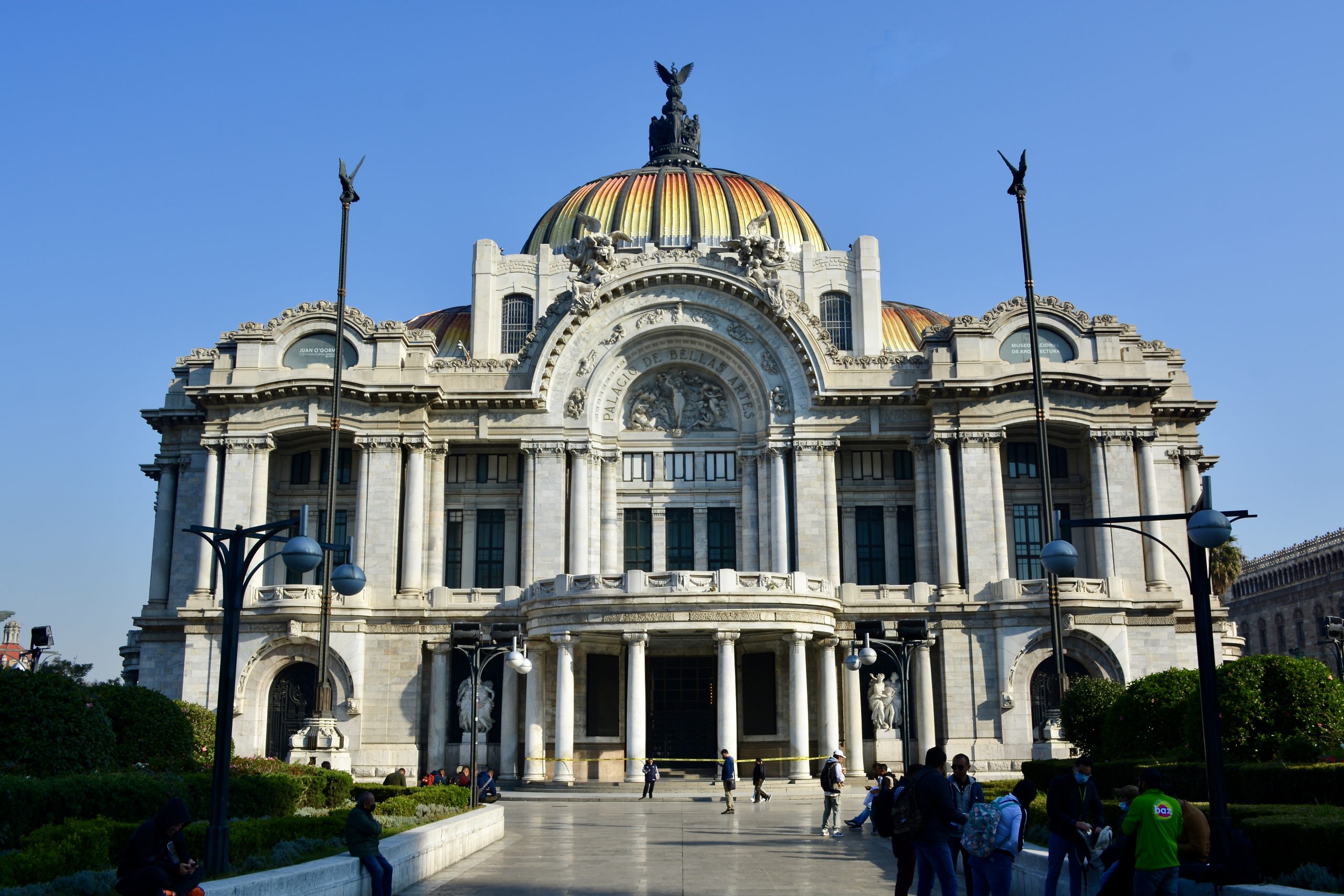
Once the heart of the Aztec Empire, Mexico City fuses ancient heritage with contemporary flair. From the monumental ruins of Teotihuacán to the Baroque architecture of its colonial core, the city is a visual timeline of civilisations.
Cultural icons like the Museo Nacional de Antropología and muralist Diego Rivera reflect the capital’s rich intellectual legacy. Its streets buzz with sound — from mariachi in Garibaldi Square to reggaeton in its packed clubs, earning its reputation as one of the most culturally vibrant capitals in the world.
🇨🇴 Bogotá: Altitude, Attitude, and Art
Often overlooked, Bogotá is a cultural capital with a booming art and music scene. Its historic core, La Candelaria, bursts with colour, from Spanish colonial façades to politically charged street art.
The Museo del Oro offers an extraordinary insight into Colombia’s pre-Columbian heritage, while festivals and exhibitions animate the city year-round, despite the infamous traffic and grey skies.
🇵🇪 Lima: Gastronomy and Urban Revival
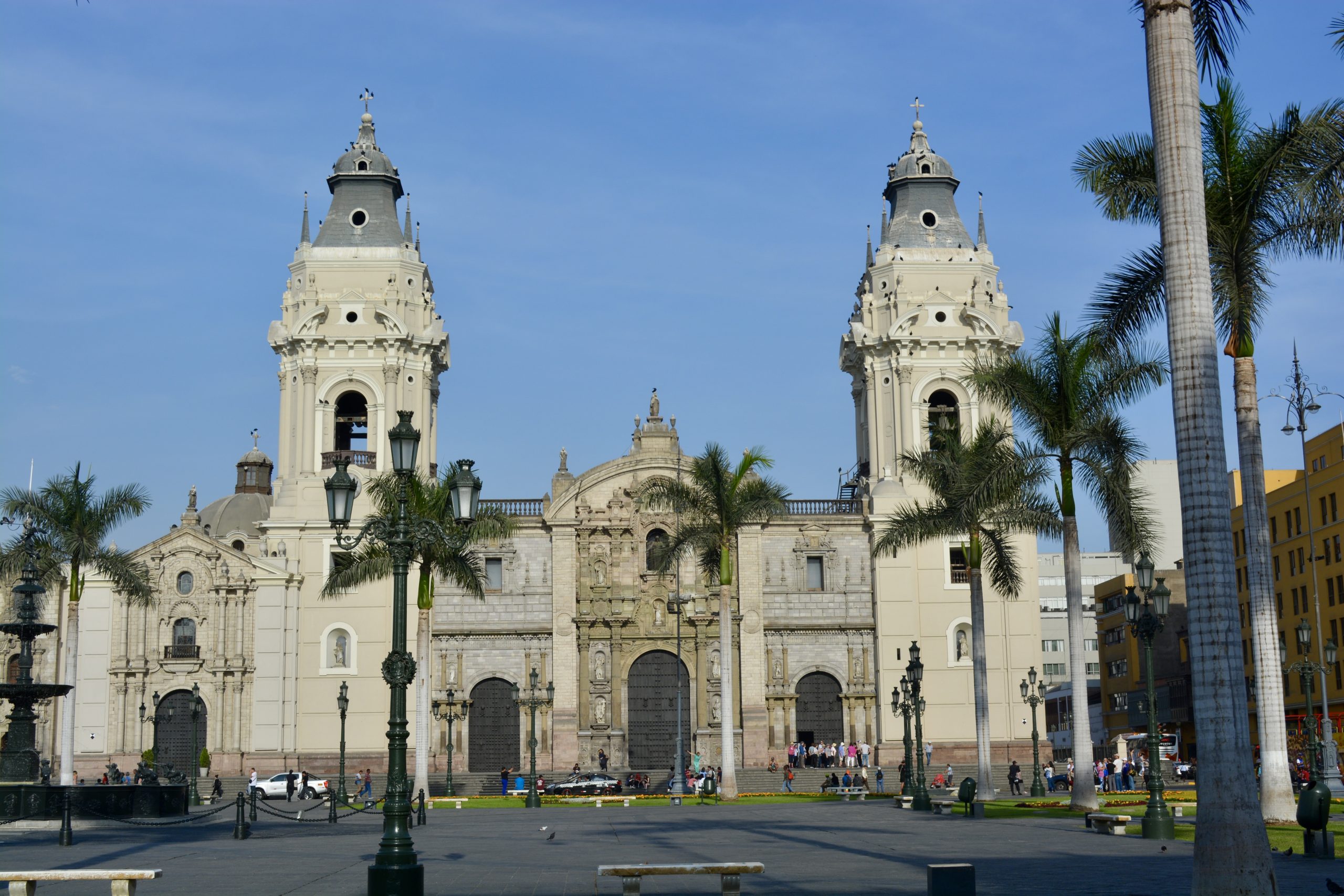
Long seen as a stopover on the way to Cusco, Lima has come into its own. Its colonial churches and coastal cliffs now share the spotlight with a culinary scene that draws foodies from across the globe.
Restaurants like Central and Maido have helped brand Lima as the gastronomic capital of Latin America, while its art galleries and historic core suggest a city increasingly confident in its own identity.
🇦🇷 Buenos Aires: Tango, Theatres, and European Grandeur
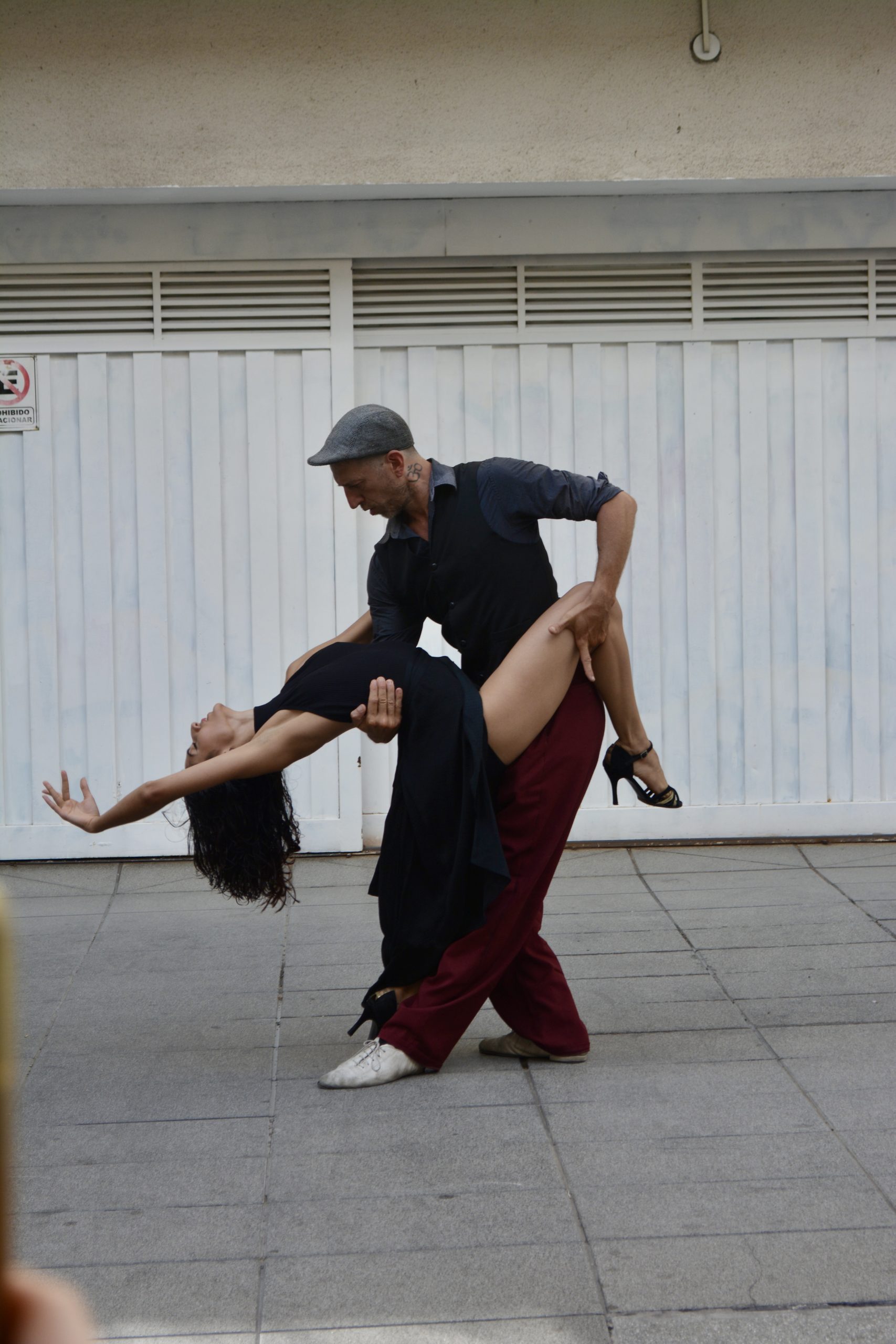
Buenos Aires feels like a slice of Europe set in Latin America. Theatres like Teatro Colón, broad boulevards, and neighbourhoods like San Telmo and La Boca showcase a city alive with tango culture and literary history.
Its contrasts — elegant yet gritty, intellectual yet passionate — continue to captivate visitors and locals alike.
🇧🇷 Rio de Janeiro: Samba by the Sea
Rio’s extraordinary geography, where granite peaks drop into white sand beaches, makes it one of the most iconic cities on Earth. Beyond Christ the Redeemer and Copacabana, Rio is a city of contradiction and colour.
Favelas and luxury condos exist side by side, and samba rhythms pour from the streets, especially during its world-famous Carnaval, making it a place where beauty and struggle co-exist in raw, expressive harmony.
🇨🇱 Santiago: Urban Vitality at the Foot of the Andes
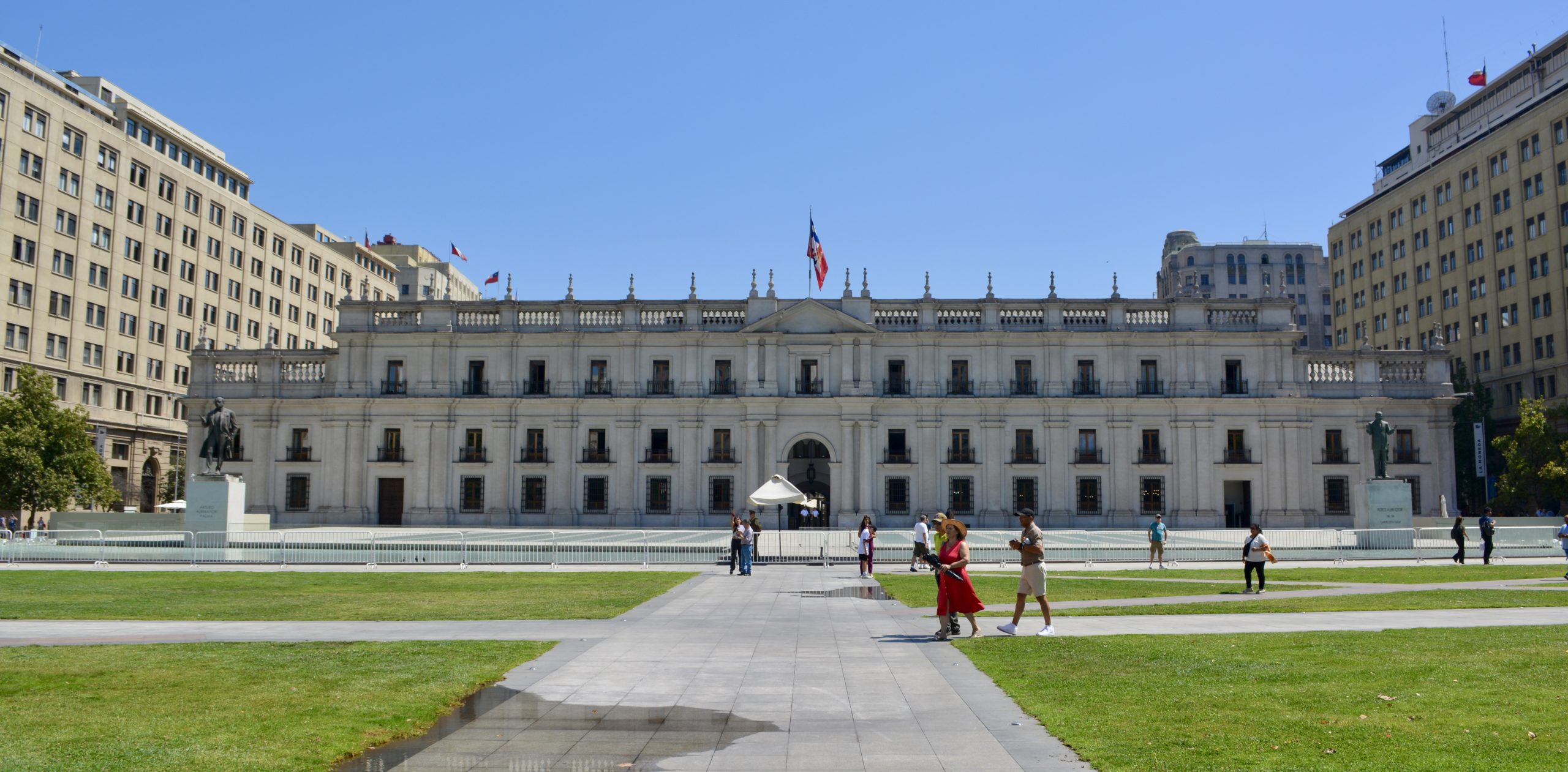
Santiago, Chile’s capital and largest city, blends youthful energy with striking geography. Framed by the snow-capped Andes, it is a city of contrasts, from grand colonial buildings and bustling markets to sleek metro lines and progressive civic spaces.
Culturally, Santiago leads the country’s modern renaissance. It boasts a strong street art culture (especially in Barrio Bellavista), a flourishing café and bookshop scene, and a youthful population driving forward green initiatives and social activism. For travellers, it serves as a gateway to both the country’s urban life and its vast natural landscapes.
🇧🇷 Brazil’s Other Urban Giants
While São Paulo and Rio often dominate attention, Brazil’s urban footprint extends far beyond its most iconic cities. Belo Horizonte, Salvador, Porto Alegre, Curitiba, Belém, Brasília, and Manaus each represent distinct regional identities and, covered in blog posts here — from the Afro-Brazilian rhythms of Salvador to the planned modernism of Brasília and the Amazonian vastness of Manaus. These cities are larger than most European capitals yet often fly under the radar. And at the top of the scale, Brazil’s true megacities — São Paulo and Rio de Janeiro — have populations that surpass entire countries such as Sweden, Belgium, or Portugal, underscoring the vast scale of urban life in Latin America’s largest nation.
🎨 Street Art: The Visual Voice of the Cities
Street art has become a defining feature of many Latin American metropolises, a canvas for political expression, social commentary, and local identity.
Bogotá & Medellín – Murals of Resistance
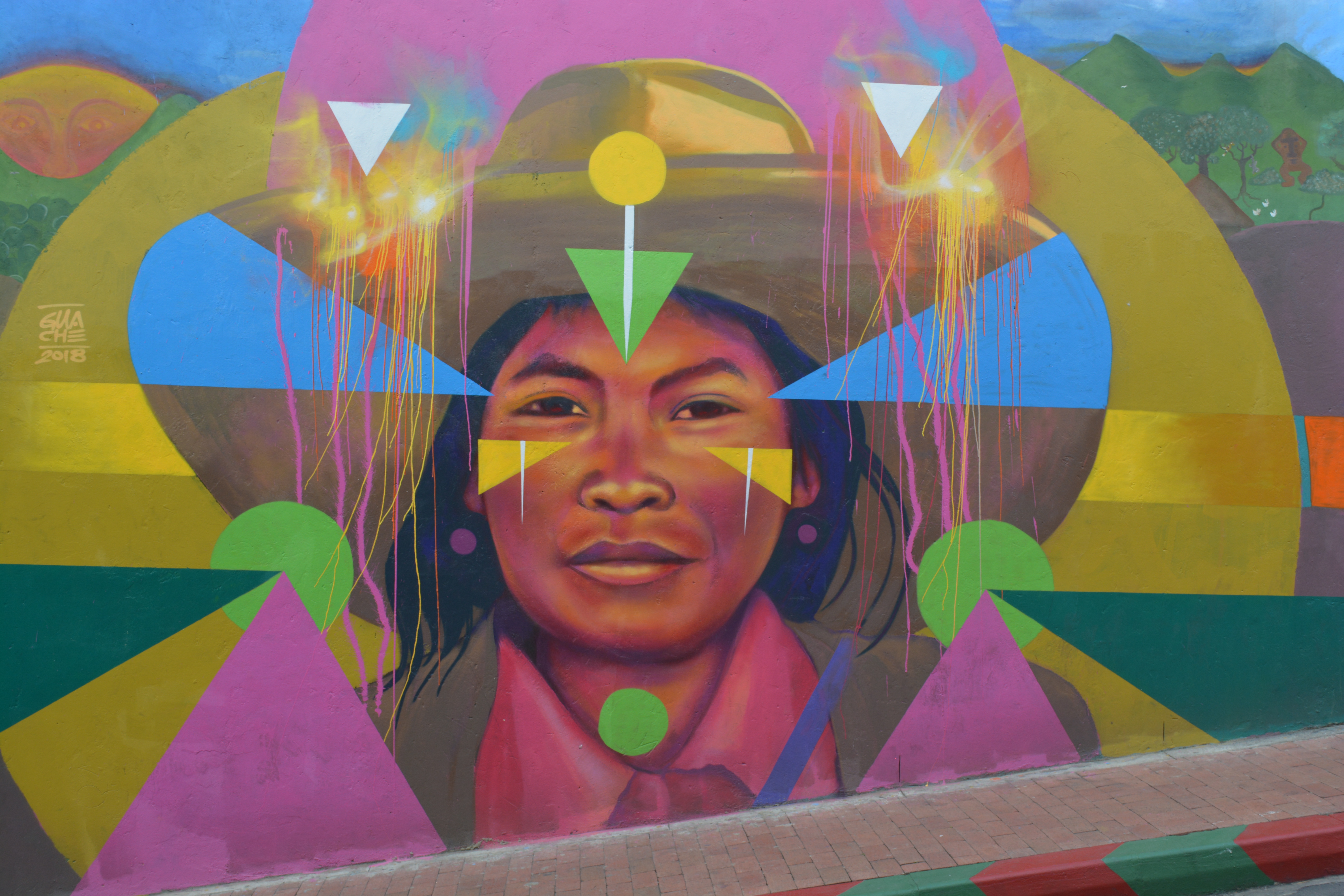
In Bogotá, the free Graffiti Tour through La Candelaria introduces a world of vibrant, politically charged art. Artists like Crisp, Guache, and Stinkfish have turned the city into an outdoor gallery highlighting inequality, indigenous rights, and gender issues.
In Medellín, Comuna 13 is a symbol of urban transformation, where messages of hope and resilience now cover walls once scarred by violence. The street art scene remains dynamic, despite setbacks during the pandemic.
São Paulo – Brazil’s Urban Gallery
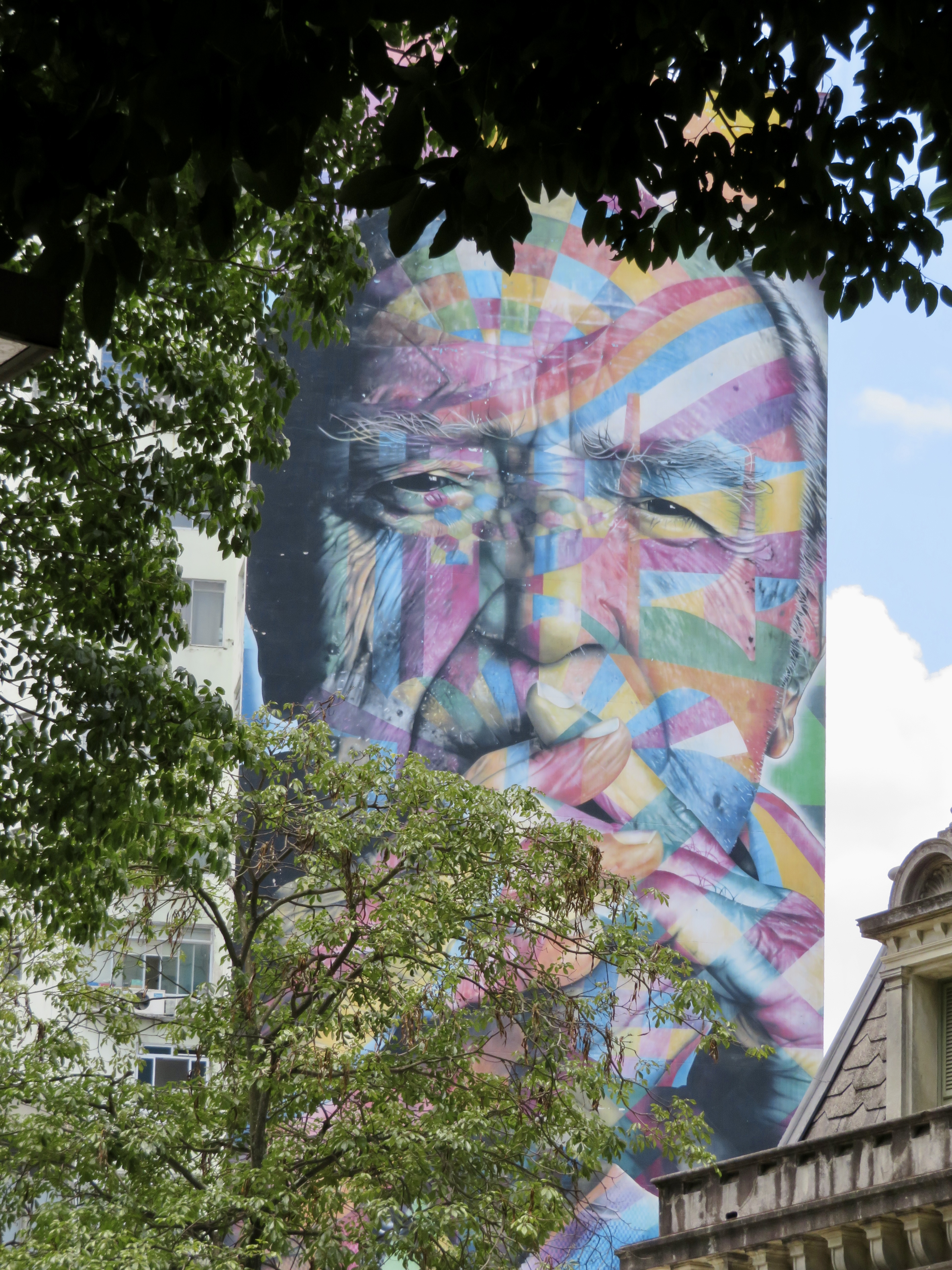
São Paulo’s muralists, led by names like Eduardo Kobra, Oagro é Fogo use the urban canvas to address themes from climate justice to local identity. Vila Madalena is a riot of colour and creativity, with art spilling onto every wall.
Valparaíso – Chile’s Whimsical Canvas
The steep hills of Valparaíso offer one of Latin America’s most playful and colourful street art scenes. Here, murals blend seamlessly into the architecture, turning the city into an open-air museum. Its bohemian character is reflected in every painted stairwell and winding alley.
Other Cities
Street art thrives not only in capital cities but across Latin America’s entire urban landscape from La Boca in Buenos Aires, to murals outside the bus station in Pasto, Colombia. Some artists like Silvia Marcon’s distinctive Mona Lisa triptychs made of paint, porcelain, and other materials, which we first found in São Paulo and then on our journey round Brazil, found other examples in Puerto Alegre and Curitiba. Even small towns like San Agustín will have examples of poignant street art.


La Candelaria, Bogotá; Comuna 13, Medellín, Beco de Batman, São Paulo; Mona Lisas, São Paulo; Valparaisio; La Boca, Buenos Aires; Pasto, Colombia